925 Sterling Silver vs. Gold-Plated Jewelry: A Buying Guide
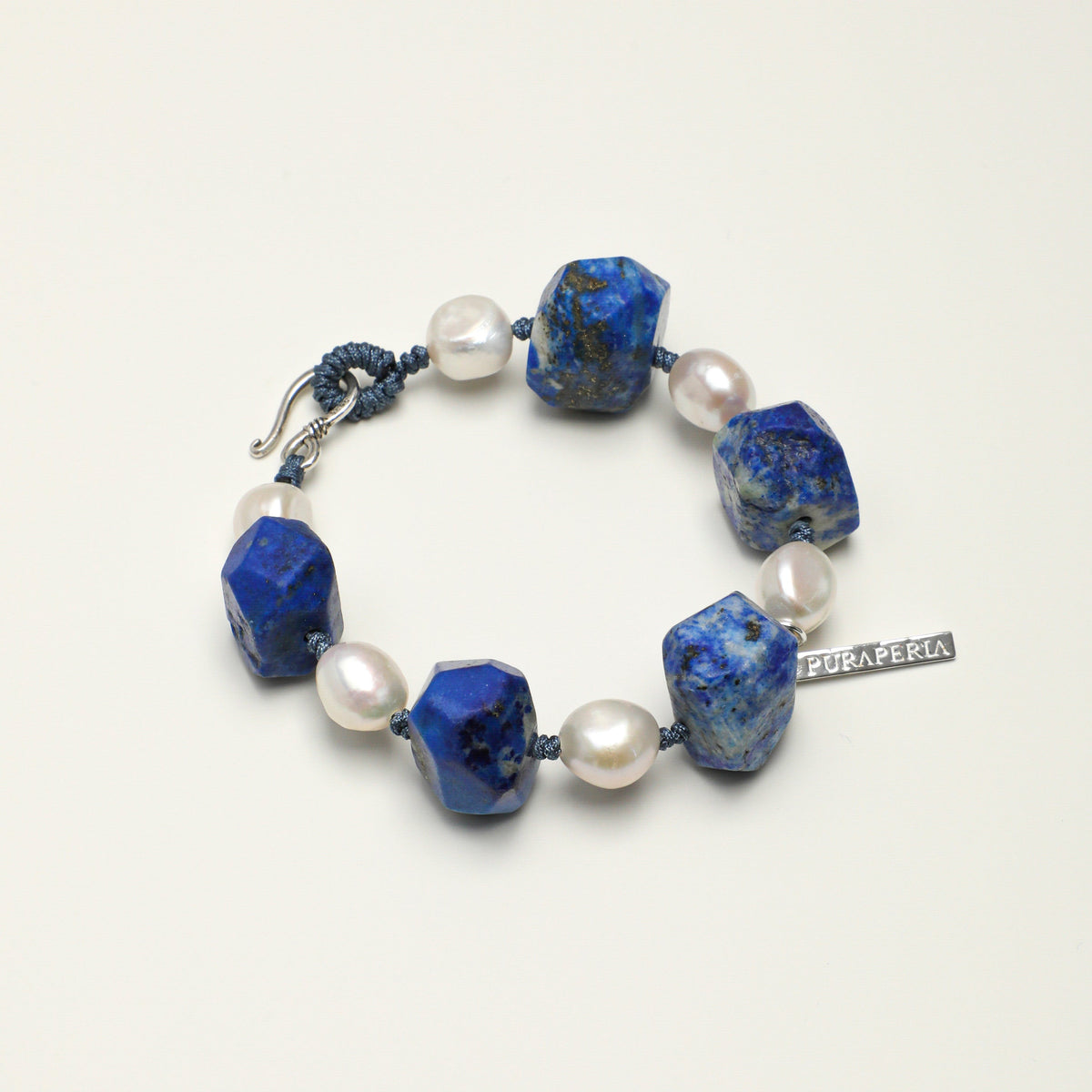
925 sterling silver describes a metal alloy. Gold plating describes a surface layer. They aren't opposites: a piece can have a sterling silver base with gold plating on top. To compare jewelry, check both the metal underneath and the finish you will see.
What does 925 sterling silver mean?
Sterling silver contains 92.5% silver, with other metals making up the balance. The U.S. Geological Survey explains this composition. The number refers to the identified metal component, not to the entire weight of a pearl or gemstone design.
A 925 mark can help you read a piece, but it is not enough on its own to verify a seller's claim. Look for a clear materials description. Ask which parts are sterling silver: the body, posts, hooks, backs, clasp or decorative beads.
Silver color, gold tone and gold plating
| Listing term | What it tells you | What to check |
|---|---|---|
| 925 sterling silver | A silver alloy composition | Which components use it and whether a finish is applied |
| Gold plated | A gold layer over a base material | Base metal and any stated plating details |
| Silver tone or gold tone | The appearance | Actual metal; color alone does not identify it |
Don't assume “Vintage Gold” means solid gold, or that a silver-colored piece is sterling silver. Read the materials and finish separately.
Buying 925 silver earrings: four useful checks
- Skin-contact parts: confirm the post or hook and the back, especially if the description only mentions silver decoration.
- Size: compare the full length with a pair you own. A close-up doesn't show weight or how a fastening feels.
- Other materials: pearls, cubic zirconia, enamel and gemstones are separate parts of the design. Check whether pearls are freshwater, another stated type or faux.
- Finish: confirm whether the surface is bare silver, plated or described only by its color.
For example, our butterfly stud earrings list 925 sterling silver and cubic zirconia, a size of about 1 cm (0.39 in), and Silver or Vintage Gold tones. Compare them with the 1.8 cm baroque freshwater pearl earrings, which list sterling silver details. They are different shapes and constructions, so use each listing's own measurements.
Browse sterling silver studs, hoops and drops, or bracelets with sterling silver details.
Does sterling silver tarnish?
It can darken over time. Tarnish and worn plating are different problems: removing surface tarnish does not replace a plated layer that has worn away. How a piece changes depends on its finish, use and care, so there is no single lifespan that fits every design.
Is 925 silver suitable for sensitive ears?
925 describes silver content, not a guarantee that every wearer will tolerate the alloy. If you react to a particular metal, ask for the composition of the parts that touch your skin. A gold-colored finish doesn't answer that question either.
Care for the whole piece
A cleaner intended for plain silver may be unsuitable for pearls, stringing, enamel or a plated finish. Wipe gently after wear, store pieces separately and follow the product's care notes. Avoid abrasive polishing on finishes and don't put pearls in steam or ultrasonic cleaners. See GIA's pearl care advice and our mixed-material cleaning guide.
Before ordering, check the earring return conditions. If a material or measurement is missing, send us the product link and ask about that specific detail.
Updated October 26, 2026. This guide explains materials and product listings; it does not certify an individual piece.