How to Tell If Pearls Are Real: Freshwater vs. Faux Pearls
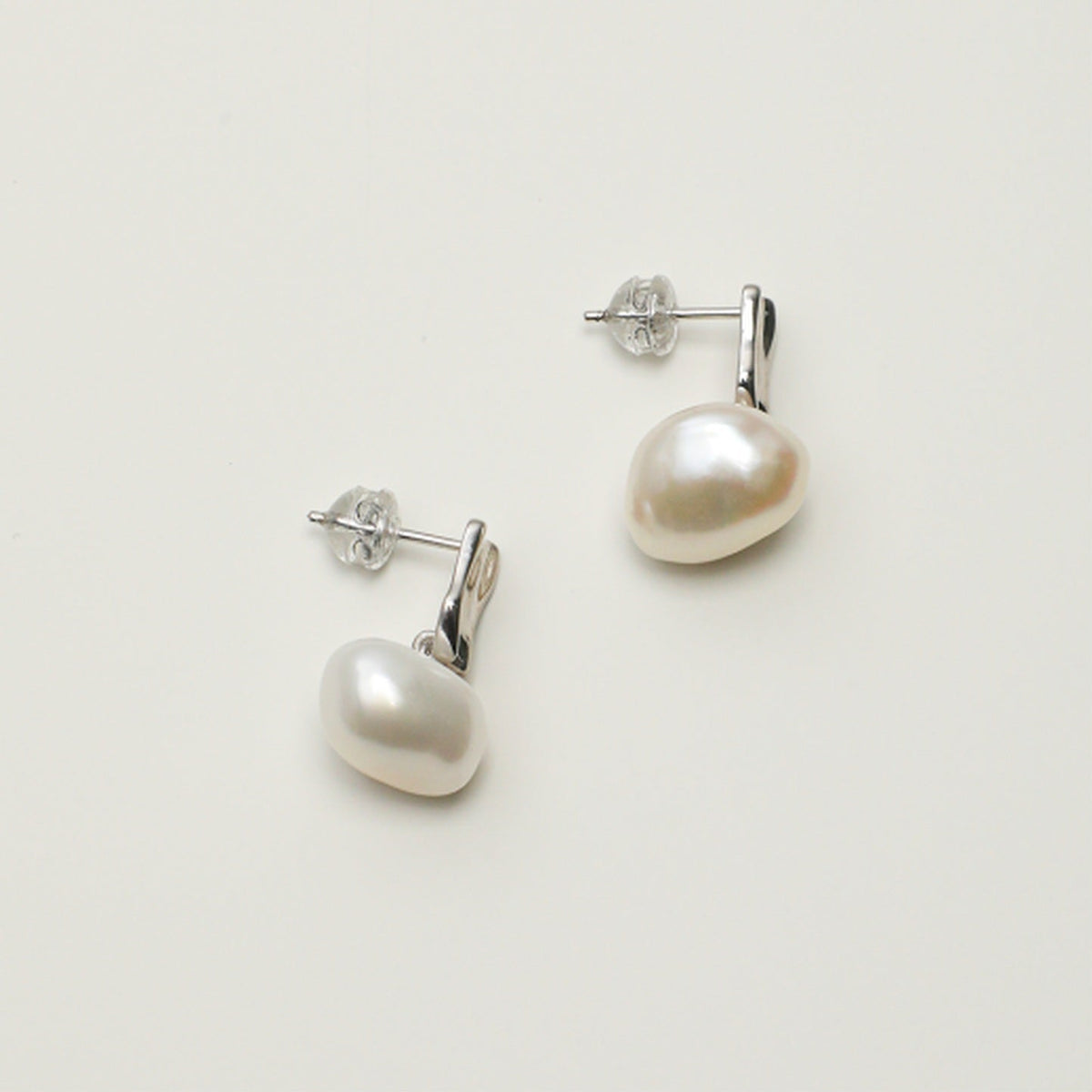
If you're wondering how to tell if pearls are real, start with the material description and what the seller can confirm. A photo, a low price or a slightly uneven shape can't prove authenticity on its own. For a valuable or uncertain piece, a qualified gemologist or gemological laboratory can help identify it.
Real, cultured and faux pearls: what the words mean
Cultured pearls are real pearls. They grow in mollusks with human intervention. Natural pearls form without that intervention, and “natural” is not a substitute word for “cultured.” Faux or imitation pearls are manufactured to look like pearls.
“Freshwater” describes the growing environment, while “baroque” describes an irregular shape. Neither term is a complete quality grade. For more on those terms, see our freshwater pearl and value guide and freshwater vs. baroque pearl guide.
Five checks you can make without damaging the jewelry
- Read the exact material wording. Look for a clear distinction between cultured pearls and imitation materials. “Pearl look,” “pearl finish” or a color name doesn't establish what the bead is made of.
- Ask for useful photos. Request clear views in ordinary light, including the surface and any visible drill holes. Heavy editing, reflections and low resolution can hide detail. Photos help you ask better questions; they aren't a lab test.
- Ask about anything unclear. Find out whether the pearls are cultured, what growing environment is stated, and whether color treatments are disclosed. Save the written answer with your order details.
- Check the rest of the purchase. Review the clasp metal, measurements, seller contact details and return policy. A well-described product is easier to assess than a listing that relies on “premium” or “luxury.”
- Get an expert opinion when it matters. If a seller claims rare natural pearls, or the purchase value justifies it, ask about a report from a recognized gemological laboratory. Check that the report refers to the item you're buying.
What appearance can—and can't—tell you
Differences in shape, surface and reflection can be useful observations, but they aren't proof. Cultured pearls can be carefully matched; imitation pearls can be made with irregular shapes. A very uniform strand isn't automatically fake, and a lumpy pearl isn't automatically real.
GIA's pearl quality factors include size, shape, color, luster, surface, nacre and matching. These factors describe quality. They don't turn a photo check into proof that a pearl is real.

Skip the tooth, scratch and chemical tests
Don't bite a pearl, rub it against your teeth, scrape the surface or expose it to vinegar, flame or household cleaners. These shortcuts can damage jewelry and don't give you a dependable identification. Weight and a “cool to the touch” feeling also aren't enough to settle the question.
If a piece has peeling, damage or a loose fitting, stop wearing it and contact the seller or a jeweler. Don't keep testing it to try to prove what it is.
Questions to ask before buying a freshwater pearl necklace
- How are the pearls described: cultured freshwater, another pearl type, or imitation?
- Are any color treatments known and disclosed?
- What are the necklace length and metal components?
- Do the photos show the exact piece or an example of the design?
- What happens if the item arrives damaged or doesn't match the description?
Use those questions while browsing our freshwater pearl necklaces. Check each product page for its own materials and measurements. Once you've chosen a piece, our pearl jewelry care guide explains how to look after it.
Prepared by Mineralyra. Updated October 24, 2026. Product details can change; check the linked listing before ordering. Editorial standards.